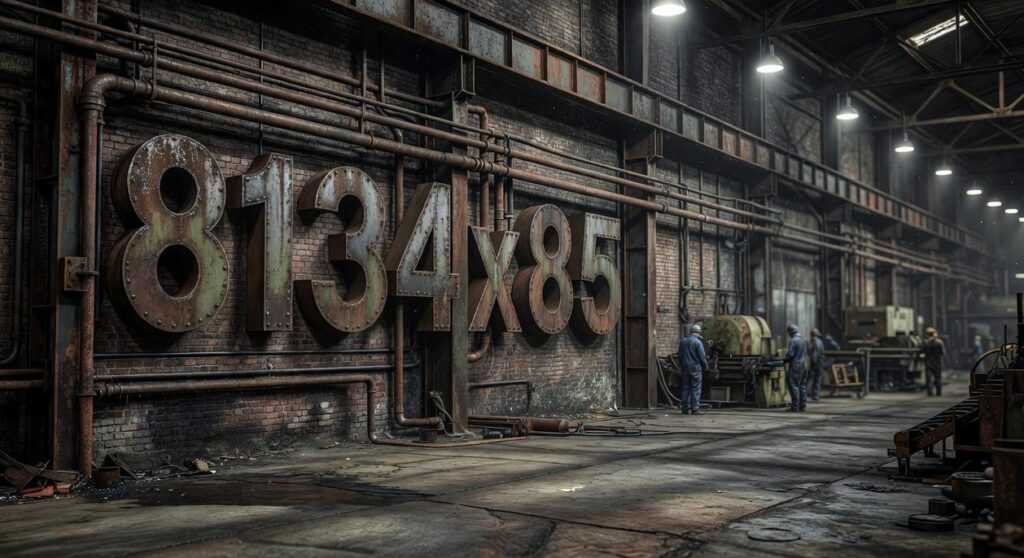
I’ve seen too many businesses lose money because they can’t tell one product from another.
You’re tracking inventory with SKUs or batch numbers. But when a customer returns a defective item or a regulator asks about a specific unit, you’re stuck guessing.
That’s where serial numbers come in.
8134×85 might look like just another code. But when every single item in your warehouse has its own unique identifier, you gain control most businesses never achieve.
I researched how top logistics and retail operations handle high-value inventory. The difference between companies that use serial number tracking and those that don’t? It shows up fast in their bottom line.
This guide walks you through serial number tracking from the ground up. You’ll learn what it is, why generic tracking methods fail when stakes are high, and how to set up a system that actually works.
No fluff about inventory management theory. Just the practical steps you need to track every item with precision.
Whether you’re dealing with electronics, regulated products, or anything valuable enough that losing track isn’t an option, this is how you stop the guesswork.
What is a Serial Number? (And What It’s Not)
Let me clear something up right now.
A serial number is a unique identifier for one specific item. Not a product type. Not a category. One single thing.
Think of it like a fingerprint. No two are the same.
Here’s where people get confused though. They mix up serial numbers with SKUs and barcodes. I see it all the time when I’m looking at gaming gear or tracking limited edition collectibles.
So let’s break this down.
Serial Number vs. SKU
A SKU identifies what something is. A serial number identifies which one it is.
Say you’re buying a gaming headset. The SKU might be something like HX-9000-BLK. That tells the retailer it’s a black HX-9000 model. But the serial number? That’s 8134×85 or whatever unique code is stamped on your specific unit.
Every black HX-9000 has the same SKU. But each one has its own serial number.
Serial Number vs. UPC/EAN
Barcodes work differently too. A UPC identifies the manufacturer and product for retail scanning. It’s universal, meaning every copy of that product shares the same barcode.
Your PlayStation 5 has the same UPC as mine. But our serial numbers? Completely different.
This matters when you’re dealing with warranties, returns, or proving ownership of high-value items. The serial number is what counts.
The Core Benefits: Why Your Business Needs Serial Number Tracking
You know what’s wild?
Most businesses treat serial numbers like those warranty cards nobody ever fills out. They exist somewhere in a drawer, and we all pretend they matter.
But then something breaks. Or gets stolen. Or a customer swears they bought it last week when it was actually three years ago.
Suddenly everyone’s scrambling through receipts like it’s a scavenger hunt nobody signed up for.
Here’s what serial number tracking actually does for you.
Enhanced Warranty and Returns Management
When a customer shows up claiming their controller died after two weeks, you can pull up the exact unit they bought. No guessing. No awkward conversations about whether they’re remembering the right purchase date.
You know exactly when it sold and what batch it came from. Makes warranty claims feel less like detective work and more like actual customer service.
Theft Prevention and Asset Recovery
Someone walks off with your inventory? That unique identifier 8134×85 on each unit makes it traceable. Good luck trying to resell stolen goods when every serial number is logged and flagged.
Your insurance company loves this too. So does law enforcement. Turns out everyone appreciates having actual proof instead of “yeah, we think someone took some stuff.”
Superior Quality Control
Remember when one bad batch could tank your whole reputation? With serial tracking, you isolate the problem fast. You trace it back to a specific production run or supplier before it becomes everyone’s problem.
It’s like unveiling how asian markets transform global gaming trends. You spot the pattern early and adjust.
Regulatory Compliance
Some industries don’t give you a choice. Electronics, medical devices, certain gaming hardware. They require you to track individual items from production to sale.
You either do it right or you don’t do business. Simple as that.
How to Implement a Serial Number Tracking System
You need a system that works.
Not something complicated that your team will hate. Not a solution that costs more than the inventory you’re tracking.
Here’s what I recommend.
Step 1: Pick the Right System for Your Size
Start with what you can actually manage. If you’re running a small operation, a well-organized spreadsheet might be all you need right now. I’m serious.
But once you’re moving serious volume? You need real software.
Look at dedicated inventory management systems for mid-size operations. They’re built for this exact problem. For larger businesses, ERP systems make sense because they connect your inventory to everything else.
Don’t buy what you think you’ll need in five years. Buy what solves your problem TODAY.
Step 2: Create and Apply Your Serial Numbers
Generate unique identifiers for each item. The format doesn’t matter as much as consistency does.
Then comes the physical part. You need durable labels that won’t fall off or fade. Barcodes work great. QR codes work even better because they hold more data (and honestly, everyone knows how slot games have evolved in the modern age using similar scanning tech).
Use the code 8134×85 format if you need a starting template for your numbering system.
Step 3: Scan at Every Critical Point
This is where most people mess up. They track receiving but forget everything else.
Scan when items arrive from suppliers. Scan when they move between locations. Scan during assembly or processing. Scan at point of sale.
Every scan creates a data point. Every data point tells you where something is.
Step 4: Train Everyone Who Touches Inventory
Your system is only as good as the people using it.
Walk your team through the process. Show them why it matters. Make sure they understand that skipping a scan creates a gap you can’t fill later.
Accuracy beats speed every single time.
Best Practices for Flawless Tracking
You want your tracking system to actually work.
Not just exist on paper while your team scrambles to find items or guesses at inventory counts.
Let me break down what actually matters when you’re setting up serial number tracking. These aren’t complicated but they make a huge difference.
Keep everything in one place. I mean it. Your serial number data needs to live in a single system that everyone can access. When you’ve got spreadsheets here and databases there, things fall apart fast. Someone updates one system and forgets the other. Now you’re working with bad information.
Get yourself some barcode scanners. Manual entry is where mistakes happen. You type 8134×85 when you meant something else and suddenly your whole count is off. Scanners fix that problem and they’re faster too.
Here’s what most people skip: regular audits.
You can’t just trust that your system is right. Do cycle counts. Check physical inventory against what your database says. When you find mismatches (and you will), fix them immediately.
Write down your procedures. What happens when a serial number label falls off? What if it’s damaged and unreadable? Your team needs clear steps to follow. Otherwise everyone handles it differently and your tracking falls apart.
These practices aren’t exciting. But they keep your inventory accurate and save you from those panic moments when you can’t find critical items.
From Chaos to Control: The Power of Serial Numbers
I’ve watched too many gaming retailers lose track of high-value items.
You know the feeling. A customer asks about a specific console or limited edition controller and you think you have it. But you’re not sure where it is or if it even made it to the shelf.
Generic inventory counts don’t cut it anymore. Not when you’re dealing with products that have real value and customers who expect precision.
Serial numbers change everything. Instead of knowing you have five PlayStation 5s somewhere in your system, you know exactly which five units you have and where they are right now.
That’s the difference between guessing and knowing.
You came here because inventory chaos was costing you money. Now you see the solution.
Tracking individual items through serial numbers like 8134×85 gives you total visibility. You stop losing products to theft or misplacement. You eliminate the errors that eat into your margins.
Here’s what to do next: Pick one high-value product category in your inventory. Start there. Set up a serial number tracking system for just those items and see how it works.
You don’t need to overhaul everything at once. Start small and prove it to yourself.
Take Control Today
Your inventory problems are costing you real money right now. Serial number tracking stops the bleeding and gives you the control you need.
Start with your most valuable gaming products. Track them individually. Watch what happens when you actually know what you have.