Most people don’t notice the moment a habit forms. It usually sounds like “just one more.” That quiet decision to stay a little longer is rarely accidental. Engagement doesn’t announce itself — it builds through repetition, feedback, and expectation.
Reward loops are the structure behind that process. They’re not tricks and they’re not exclusive to games. They show up anywhere a platform depends on return visits, whether that’s entertainment, learning, or interactive services. Spend enough time in digital environments and the rhythm starts repeating itself.
Reward Loops: The Basic Circuit
A reward loop turns a single action into the expectation of another. Do something, receive feedback, register the outcome, and feel nudged toward repeating the behavior. The cue might be obvious or barely noticeable, but the lesson is always the same: this action leads somewhere.
One reward closes a moment. A loop opens the next one. That distinction matters. Souvenirs don’t build habits. Systems do. If the experience doesn’t invite a return, it isn’t a loop — it’s just decoration.
Well-built loops don’t overwhelm players with constant stimuli. They clarify what matters, confirm progress, and make the next step legible.
Fixed Rewards and Surprise Rewards
How rewards are spaced matters more than how generous they look. Predictable rewards create stability. They tell players what effort is worth and allow them to plan. This is especially important early, when users are still learning the rules of a system.
Surprise rewards serve a different purpose. Uncertainty keeps attention slightly on edge. Not knowing what comes next stretches the moment and delays closure. That’s why occasional spikes — a rare item, an unexpected bonus — feel more intense than routine payouts.
Problems start when surprise becomes the main engine. If progress depends too much on luck, players lose their sense of control. Engagement might rise, but confidence drops. Over time, that imbalance shows.
When Progress Feels Earned
Short loops give momentum; long loops give meaning. Systems that only deliver instant feedback quickly flatten, and systems that delay everything risk losing players before progress registers.
Good pacing sits in between: small confirmations signal movement, while larger milestones confirm growth. When feedback matches effort, players trust the system. When it doesn’t, frustration replaces motivation.
Players can forgive difficulty, but not wasted time.
Why Anticipation Works
What matters neurologically isn’t pleasure — it’s prediction. Research into dopamine signaling consistently points to expectation and learning rather than simple enjoyment. The brain responds most strongly when outcomes update what it expects to happen next.
A widely cited review by neuroscientist Wolfram Schultz explains how dopamine activity reflects reward prediction error — the gap between expectation and outcome — and why that gap drives learning and motivation over time.
For designers, the takeaway is practical. Reward loops don’t run on payoff alone, but on what the payoff teaches. When outcomes feel consistent and interpretable, players invest. When outcomes feel arbitrary, engagement becomes brittle.
Loops Beyond Games
Interactive entertainment forced these systems into the open, but the pattern is no longer limited to games. Fitness platforms translate effort into streaks. Learning tools turn repetition into visible mastery. Social platforms convert posting into feedback cycles tied to timing and consistency.
In competitive gaming, engagement loops are anchored in rank and progression, with seasons and ladders shaping how improvement is measured. When tuned well, they reward improvement and decision-making. When tuned poorly, they amplify anxiety and make participation feel punitive rather than motivating.
The difference usually comes down to what the loop measures — volume, or growth.
When Value Enters the Loop
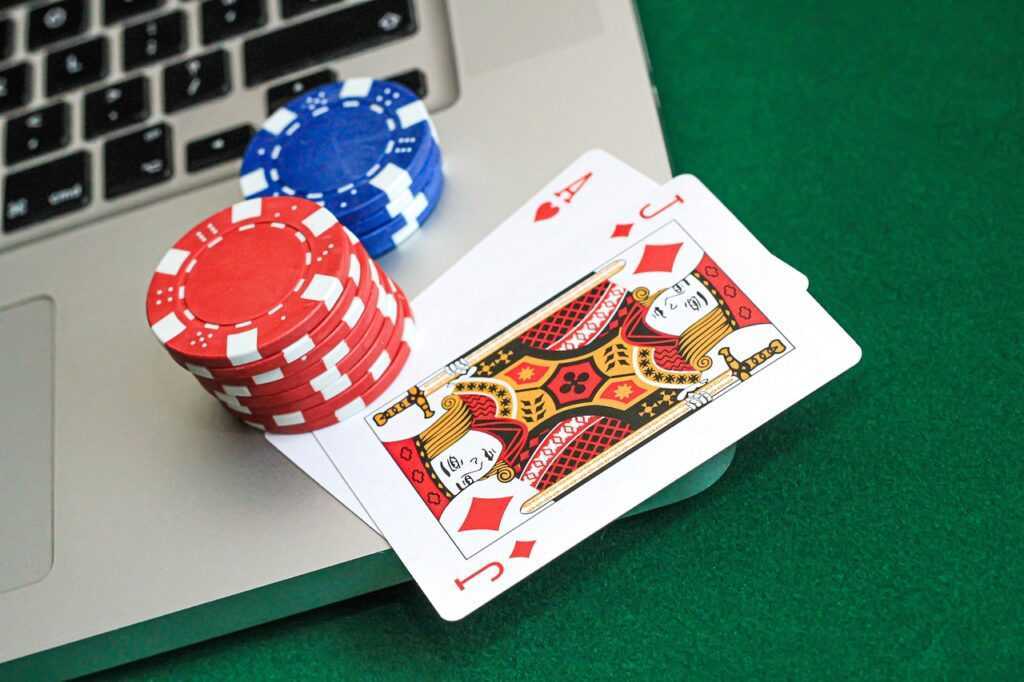
Once rewards carry value, the loop feels heavier. Attach money to feedback and every decision sharpens. This is especially visible in casinos, where crypto-based rewards, on-chain mechanics, and tokenized outcomes blur the line between play and financial behavior.
In these environments, reward loops don’t just signal progress — they imply opportunity. Crypto rewards can be verified, transferred, and perceived as meaningful beyond the platform itself, which changes how players interpret risk and timing. Some users see transparency and control as advantages of crypto-based systems. Others feel pressure to stay engaged longer than planned because outcomes feel financially consequential. When pacing and messaging emphasize urgency over clarity, the loop can slide from entertainment into stress. Designing responsibly in this space means treating crypto not as a hook, but as a responsibility layered onto the loop.
Designing Loops That Last
Clear systems age better. When feedback is readable and time spent feels voluntary, players return without being pushed.
Core principles tend to hold across platforms:
- Clear progression players can read at a glance
- Feedback that reflects effort, not just activity
- Randomness used sparingly, as texture
- Player agency that feels genuine
- Pacing that supports long-term involvement
Metrics Can Mislead
Retention numbers can rise while satisfaction falls. A loop can inflate return visits without delivering value. The more useful question is whether returning feels intentional or compulsive.
Good loops create confidence: “I know why I’m here, and it’s worth it.” Bad loops create noise – more clicks and less meaning.
Conclusion
Reward loops are a design decision — and users can feel which kind you built. A good loop earns trust gradually. A bad one burns it quickly. The difference lives in pacing, transparency, and whether rewards reinforce understanding or simply consume time. Build loops that respect players, and engagement follows naturally.