What Optimization Really Means in an RPG
“Optimization” tends to scare off new players like it’s some spreadsheet only, number crunching obsession. It doesn’t have to be. At its core, optimization just means making smart choices that support how you want to play whether that’s dishing out big hits, manipulating dialogue checks, or becoming a tank that refuses to go down.
The trap is thinking it’s either roleplay or raw power. It’s not. The most satisfying characters have both: narratively rich backstories and in game builds that aren’t a drag to play. A stealth based rogue with a tragic past shouldn’t be missing every lockpick attempt just because someone didn’t glance at the Dexterity stat. Good characters work in story and on the field. That’s the sweet spot.
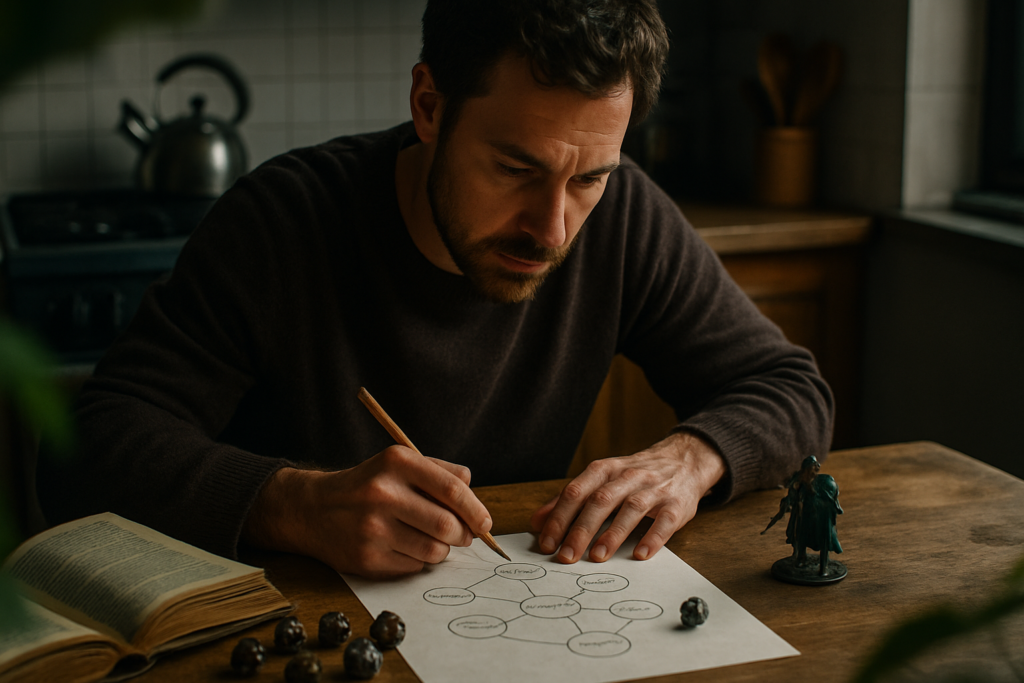
For beginners, early planning doesn’t kill creativity it gives it room to breathe. Laying out a simple progression (like choosing which skills to focus on or what gear path makes sense) lets you avoid the frustration of being underpowered five hours in. You’ll enjoy the roleplay more if your character is actually effective at the thing they claim to be good at.
Optimization isn’t about min maxing every stat point. It’s about building a character that feels good to play from the start and still holds up 20 sessions later.
Key Stats: What to Prioritize
Before you dive into shiny gear or sick abilities, you need to get your stats straight. Every RPG has some version of primary and secondary attributes. Your primary stats are the core of your build the ones that directly affect your class’s strongest abilities. Think Strength for warriors, Intelligence for mages, Dexterity for rogues. These are non negotiable. Dump points here early and often.
Secondary attributes offer nuance. They govern utility, survivability, or situational plays. Stuff like Constitution, Luck, or Charisma. These won’t carry your damage output, but they’re the glue that holds you together in harder fights or when things get messy outside combat.
Stat synergy is where it gets interesting. A tanky paladin might favor Strength and Constitution for hard hits and staying power. A hybrid spellblade might split between Dexterity and Intelligence to land fast strikes and weave in spells. Don’t just stack your top stat build around how pieces fit together. It’s rarely a one stat game.
And here’s the trap: the all in build. Some first timers max their biggest stat, ignore everything else, and wonder why they’re either constantly dying or can’t pass story checks. It’s tempting, but unless you’re going for a gimmick or speedrun balance brings more long term power. Know what matters for your playstyle, then layer in the rest with intent.
Building Smarter, Starting Stronger

Most newbie mistakes happen before the first dice roll or mouse click. Dumping all your points into one stat, picking the flashiest skills without reading tooltips, or ignoring party roles these are instant slow burns. The early game isn’t just intro territory. It’s when your weak choices get locked in, and bad habits start to calcify.
Step one: know what the rest of your group is bringing. If everyone’s gone glass cannon DPS and no one picked a healer or a tank, you’re going to feel it fast. Builds shouldn’t happen in a vacuum. Think synergy, not solo fantasy.
Also, don’t fall for the trap of over specialization. Being too niche might make you great at one fight and useless in the next ten. A balanced build something with a primary strength and a couple of support options makes you adaptable, useful, and way more fun to play. Versatility doesn’t mean mediocrity; it means staying useful in pretty much any situation you’re thrown into.
Want to go deeper? Grab the full breakdown here: RPG character building.
Skill Trees, Perks, and Progression Paths
Skill trees can look intimidating at first glance lots of icons, branching paths, glowing nodes. But don’t just dive in and start clicking what looks cool. Start by scanning the tree from the end back to the beginning. Ask: what kind of character do I want to be 10 hours from now? Do I want AOE damage? Support buffs? Survivability? This gives you a goal to build toward and helps avoid wasting points.
Passive vs. active skills can trip people up early. The flashiest active skills look fun, but passives often do more work than you notice. Prioritize passives first basic stat boosts, cooldown reduction, regen especially early on when your resource pool is small and mistakes are costly. Then layer in active abilities that fit your preferred rhythm burst attacks for fast fights, stuns and slows for control, heals if you’re soloing a lot.
Multi level planning isn’t about charting 50 levels in stone. It’s about knowing when key perks unlock and plotting a rough roadmap. Look for choke points in the tree where a specific node unlocks a whole new branch. Plan builds that stack value: a passive that boosts crit chance into an active that crits harder into a perk that refunds energy on crit. That synergy snowballs. When you plan it, you feel it.
Be intentional, not impulsive. Choosing your path is half the game.
Gear and Abilities: Optimizing Outside the Stat Sheet
You can have a flawless stat build and still get steamrolled if your gear and timing are garbage. Equipment isn’t secondary it’s half the equation. Weapons, armor, and accessories often unlock hidden bonuses or tweak your cooldowns just enough to change the flow of a fight. Don’t just grab whatever has the highest number. Read the effects. Stack them in your favor.
Buffs and debuffs? They’re not just flavor these are your tactical levers. Speed boost + defense drop on an enemy = perfect setup for a glass cannon build. Cooldowns matter too. A great combo means you’re staggering skill usage so everything refreshes at the right time. Chain your heavy hitter after a defense breaker, not before it. Think in sequences, not just actions.
Skill synergies and status effects are where builds come alive. Poison effects that get stronger with each hit? Pair that with rapid multi strikes. Fire damage that scales with intelligence? Don’t waste it on a brute. Make your gear and skills talk to each other. The more your setup clicks, the less work you have to do mid fight. Smooth execution starts in your inventory screen.
Experiment, Then Refine
Optimization isn’t a one and done deal. It’s a loop: build, test, adjust. Trial builds aren’t just for newbies they’re how you learn what actually works in real combat or quest scenarios. A build can look great on paper but fall flat under pressure. So it pays to run low risk missions or simulations early on to stress test your setup before committing.
Your character will evolve that’s the point. Gear finds, unlocked abilities, and party dynamics all shift your role over time. Staying rigid only holds you back. Maybe your rogue starts leaning into support because of synergy with your party’s tank. Or you realize your fire mage build lacks burst damage when it counts. Adapting your playstyle as the campaign unfolds is part of real optimization.
And when things just aren’t clicking? Don’t be stubborn. Sometimes you’ve got to hit respect and restart. Maybe a skill tree didn’t scale like you thought, or you misread your party’s needs. Happens all the time. Reworking isn’t failure it’s part of honing in on a build that works for you and your playstyle.
Want a full breakdown? Check out the complete RPG character building guide