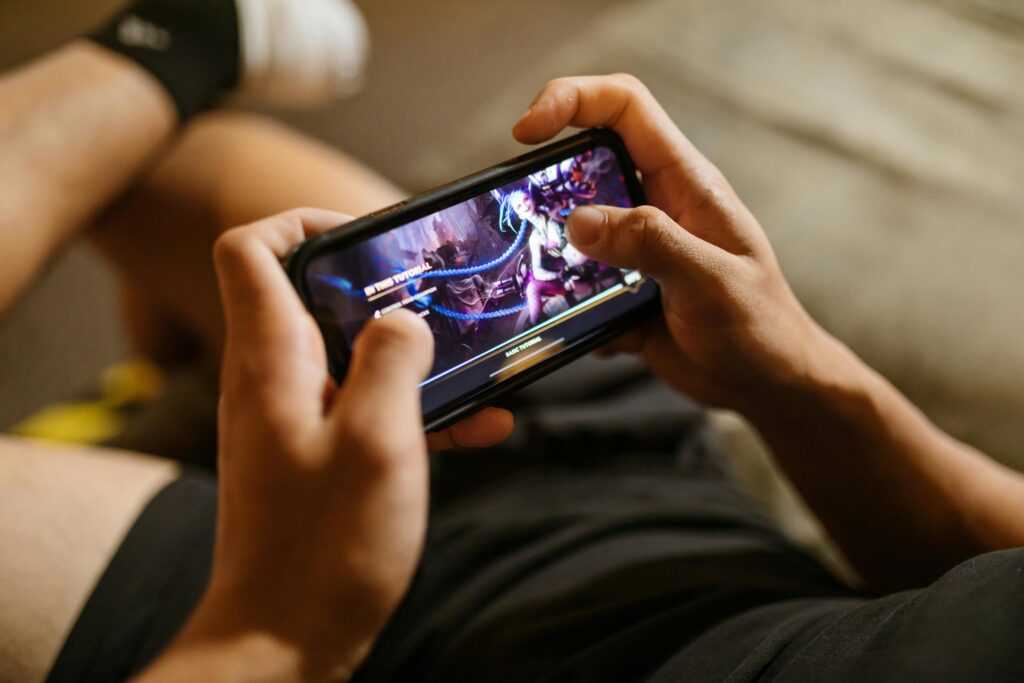
Mobile gaming has evolved far beyond idle killer games and casual puzzles. It’s now a major global economy where participants handle significant digital assets. They buy and sell in-game items and even transfer real money.
The height of the stakes correlates with the height of risks. The rate of mobile gaming fraud is rapidly increasing, and conventional passwords are proving the most vulnerable among the chain’s security features. In an attempt to fight vice, hardware developers and manufacturers are implementing biometric authentication.
Fingerprint scanners and facial recognition aren’t merely handy additions to unlock a screen. They’ve become a necessity, and a hardware one, and that’s needed because digital wallet security is imperative. This is vital to protect against an ever-growing number of malicious cyber threats.
The Baseline for High Stakes Play
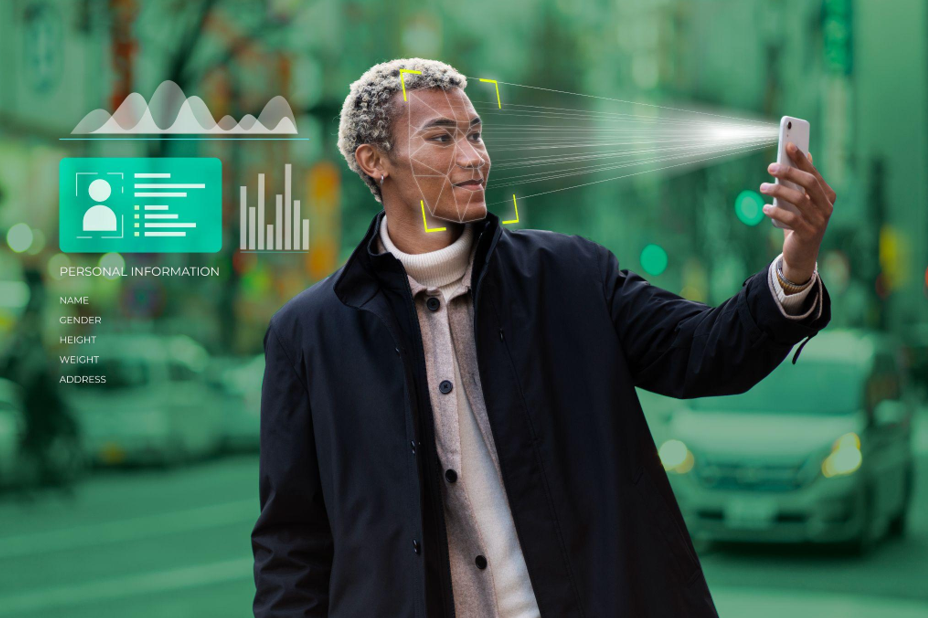
Where the actual money is at stake, security levels should align with financial standards. It really shouldn’t be a relaxed security protocol. The hardcore mobile gamers are now insisting on devices supporting multi-factor authentication MFA, as it’s robust. It helps to secure their money when making deposits and withdrawals.
An easy password is inadequate most of the time against current brute-force attacks or phishing scams. Security experts advise players to use the best online poker real money apps on devices with high-level biometric security. This ensures that malicious parties can’t copy player deposits or winnings.
Where one of the platforms involves the physical movement of funds, the smartphone’s physical security is vital. It’s equal to the software encryption provided by the gaming location itself.
Under the Hood of Biometric Sensors
To the technical fan, the hardware behind such security is as marvelous as a high-end graphics card. The smartphone of today has advanced sensors that are far beyond 2D photography. An example is an ultrasonic fingerprint sensor, which scans a finger’s ridges and pores with sound waves. They produce a highly detailed ridges-and-pores topography that is extremely difficult to spoof.
Equally, sophisticated face recognition software is projected onto the user’s face. It appears as various coded infrared dots, exceeding 30,000. This process produces an exact depth map of the person. This biometric information is typically stored in a dedicated area on the device’s chip, known as the secure enclave.
This means private data never leaves the device or is stored on remote servers. As a result, hackers can’t steal it from afar. Industry analysts predict that the mobile biometrics space will continue to grow. They expect the device market will generate more than $267 billion in revenue by 2034. It’s driven by people looking to use premium-priced apps.
Stopping the $1.2 Billion Leak
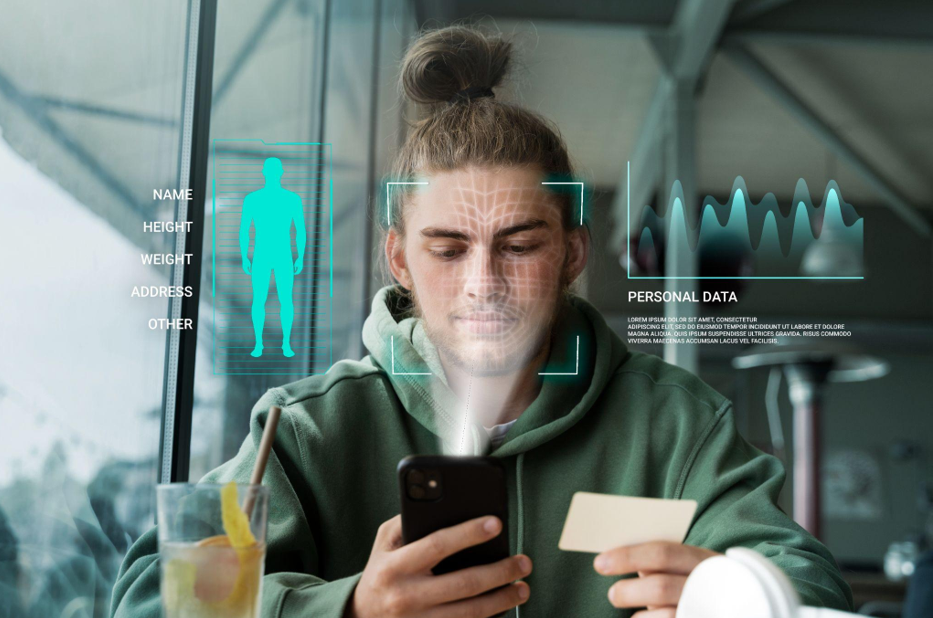
Why is this kind of technology needed? Simply put, fraud costs the industry billions. A recent report showed that iGaming fraud increased by around 64% from 2022 to 2024. Fraud attacks have cost mobile casinos and betting platforms approximately $1.2 billion in recent years alone.
The most common issue is what’s called a “selfie mismatch” attack in these systems. Here, attackers use still or deepfake photos to bypass facial recognition. This method makes up approximately 73% of fraud attacks. Mobile gaming wallets today protect against this with “liveness detection”.
Liveness detection requires users to move their heads and eyes to track micro movements on the screen. Alternatively, they’ll be asked to determine whether the on-screen color appears red or blue. It’s the authentication process that verifies a person’s identity and physical presence. This occurs when the transaction is being executed.
Frictionless Finance Without the Lag
Gamers don’t just care about speed; they’re obsessively focused on peak system performance. Therefore, any security measures feel like irritating setbacks for them. Biometric verification can solve high-friction and high-security scenarios. Typing out a complicated, secure password with symbols can take upwards of 10 seconds. That time requirement feels never-ending if you play graphics-heavy games.
Imagine simply finishing a fingerprint scan or facial recognition check in under one second. Research shows that 72% of consumers believe face biometrics are better than passwords at keeping them safe. This is primarily because Face ID is more convenient.
It’s a continuously authorized technology that verifies identity immediately in critical situations. These instances include situations in which a user wants to withdraw money from their personal bank account. This doesn’t interrupt the flow or drag them out of the game interface.
Game Over for Hackers
While fast CPUs and high FPS matter for gameplay smoothness, biometric sensors are crucial for online gaming security. Mobile gaming wallets are surely going to become more biometrically secure. Biometric scans aren’t just a luxury; they’re a necessity for all modern players. This ensures they’ll always keep their bankroll safe.
Hardware-encrypted security is necessary to safeguard digital assets from unauthorized access and sharing. When it comes to hackers and warfare, the only thing that stands between them and a player’s winnings is their biology.