
The digital environment is ever-changing, with people expecting better performance from hardware and software. High-end processors and sophisticated graphics cards inform the current computing experience; however, the cause lies elsewhere. It’s in the current financial security infrastructure that’s equally paramount.
A complex rig or a high-speed connection doesn’t count for much on its own. The digital wallet remains susceptible to highly complex threats. Having a security-focused approach to cybersecurity is no longer limited to firewalls or antivirus software.
Instead, a new era of proactive defense mechanisms has emerged from a paradigm shift. It’s in the movement of value over the internet. Such advances aren’t only processing transactions; they’re actively building a fortress around user data. This is done to guarantee both integrity and privacy.
Encryption Transforms the Global Digital Marketplace
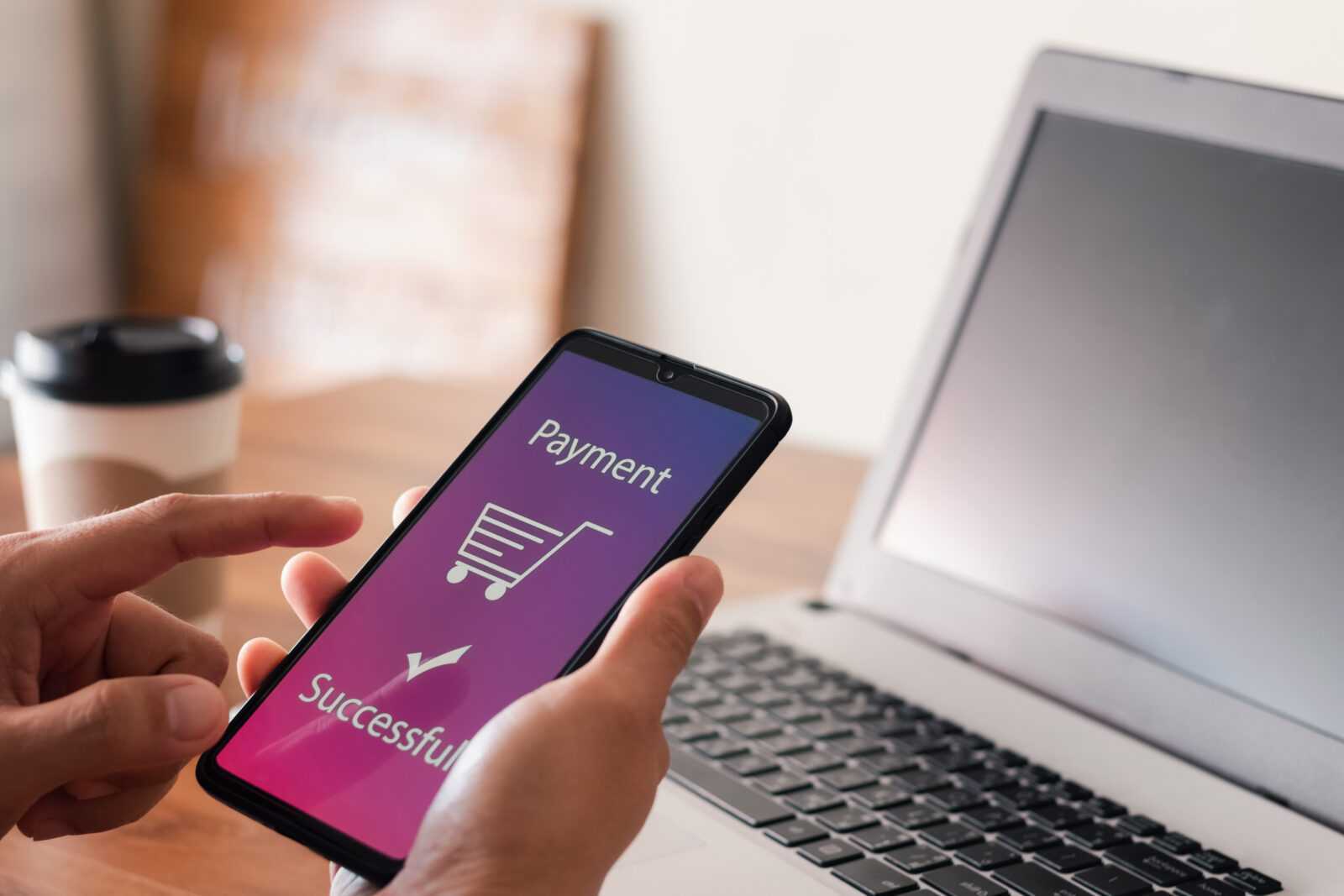
It’s due to the growth of the digital economy that national borders are broken. Consumers can choose service providers anywhere in the world. Secure Sockets Layer (SSL) and Transport Layer Security (TLS) evolved to transform the world into a safe market. Distance won’t be the determining risk factor found within it anymore.
Today’s encryption standards ensure users don’t worry about their data being intercepted while they hunt for rare electronic components. They can also spend time in overseas gambling sites to be entertained. This is a critical security level, given the rise of cross-border e-commerce.
According to analysts, the worldwide cross-border B2C e-commerce market will continue growing exponentially. Such stringent security measures are required in these situations. These protocols also ensure the privacy of sensitive financial information by encrypting data in transit, making it impossible to decrypt. The server can’t decipher its contents, regardless of where the server is located.
Biological Markers Replace Traditional Passwords
The weakness in the digital security chain has been the use of alphanumeric passwords. Credential theft is one of the main vectors of cyberattacks, and the industry is shifting toward non-mutable biological verification.
Biometric technologies like fingerprint scanners and facial recognition are rapidly becoming the norm. It’s not exactly new for payment authentication systems to have these features today. These systems exploit the user’s physical peculiarities to impose a system that’s almost impossible to duplicate.
This change has also been firmly cemented by the FIDO Alliance standards, which allow hardware-backed security keys. They’re better at withstanding phishing attacks than text-based codes are. Industry reports indicate that the biometric payment market would cross around $34 billion globally by 2032. This upsurge indicates a general understanding that the safest key is the one held by the keyholder.
Predictive Algorithms Neutralize Threats Instantly
Artificial intelligence (AI) has stopped being a buzzword but an essential element of defense in the financial system. It’s now possible to analyze large volumes of data, even with many transactions, by using machine learning models in milliseconds. They detect and flag anomalies before a permanent transaction record is created.
Old rule-based systems tended to treat legitimate purchases as suspicious, unlike today’s systems. These sophisticated algorithms can read context and behavioral patterns. They identify anomalies with great precision, like an unattainable distance between two transaction points. It could also be a sharp change in their spending behavior.
It has been proposed that AI-based systems could increase fraud detection rates by up to 300% and significantly reduce false-positive rates. This efficiency ensures that there are no delays in mediating genuine high-value transactions and that real threats are destroyed immediately.
Decentralized Ledgers Eliminate Central Failure Points

The use of blockchain technologies provides a paradigm shift by eliminating the need for a single centralized authority to verify transactions. The advantage of this decentralized system is that the ledger is shared across a network of computers. This makes it computationally impossible to corrupt the historical records.
Cryptocurrencies and blockchain payment systems provide a so-called trustless environment, in which security isn’t imposed on the architecture. This technology reduces the online footprint left by privacy-sensitive people in commercial interactions.
The blockchain ensures that once a transaction’s completed and confirmed, malicious entities can’t interfere. They simply won’t be able to reverse it later. This architecture is clearly a more powerful alternative to traditional banking rails. It’s attractive to those seeking data sovereignty and anonymity.
The Vault of Tomorrow
The integration of biometrics, artificial intelligence, and decentralized ledgers has taken the digital world to a new level. It’s currently moving beyond defensive strategies to a proactive security ecosystem. All these technologies are integrated to produce a transparent yet solid barrier to the financial assets. A modern digital citizen can now operate with a certain confidence that wasn’t possible previously.
To possess strong online security now means that one is finally able to buy and sell things anywhere in the world. It’s knowing the technology beneath is working to defend against any form of attack. With these innovations at this stage of maturity, the digital wallet effectively becomes a vault accessible only to its legitimate users.