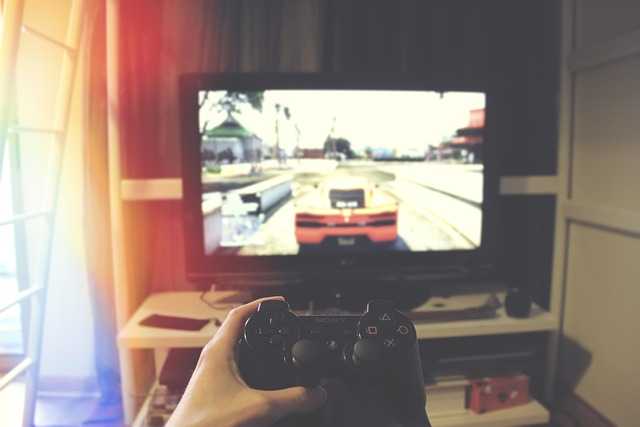
Building a competitive gaming setup does not require spending thousands of dollars to achieve professional-level performance. Whether you have a modest budget or significant funds to invest, smart purchasing decisions and prioritization of essential components can create a setup that competes at high levels. The key lies in understanding which elements directly impact your performance and which serve as luxury additions that can wait for future upgrades.
What You Need
Monitor
Your monitor represents the single most important investment for competitive gaming across nearly every genre. A high refresh rate display, ideally 144Hz or above, provides smoother motion and reduced input lag that translates directly into better reaction times and more consistent performance.
Many competitive players test their setups with various activities, including getting smartsoft gaming balloon download files and playing the game, to ensure their equipment performs reliably across different demands and scenarios. Budget-conscious gamers should prioritize refresh rate over resolution, as a 1080p display at 144Hz offers far more competitive advantage than a 4K monitor running at 60Hz.
Response time matters nearly as much as refresh rate when selecting your display. Look for monitors with 1ms or 5ms response times to minimize ghosting and motion blur during fast-paced action. IPS panels offer better color accuracy and viewing angles, while TN panels typically provide faster response times at lower price points.
Mouse and Keyboard
Gaming mice range from budget options around 30 dollars to premium models exceeding 150 dollars, but many mid-range options between 50 and 80 dollars offer sensor quality and build quality comparable to flagship products. Focus on sensor accuracy, weight preferences, and ergonomic fit rather than RGB lighting or excessive buttons you may never use.
Mechanical keyboards provide tactile feedback and consistency that membrane keyboards cannot match. However, you do not need to spend 200 dollars on a premium mechanical keyboard to get excellent performance. Many brands offer reliable mechanical switches and solid build quality at price points between 60 and 100 dollars. Choose switch types based on your preferences, with linear switches favored for gaming due to their smooth keypress without tactile bumps.
Computing Power
Your PC or console forms the foundation of your gaming setup, but building or buying smart means understanding your actual needs. PC gamers on tight budgets should focus on a capable graphics card and sufficient RAM before investing in top-tier processors. A mid-range GPU paired with 16GB of RAM can run most competitive titles at high frame rates necessary for serious play. Console gamers benefit from the standardized performance and lower entry cost, though they sacrifice customization options and potential upgrade paths.
Audio Setup
A decent gaming headset, ranging from 60 to 120 dollars, typically offers surround sound capabilities and clear microphone quality sufficient for competitive play. Open-back headphones provide better soundstage for positional audio, while closed-back designs offer isolation from environmental noise.
Consider if you need a standalone microphone for team communication or if headset microphone quality meets your requirements. Budget setups can start with headset mics and upgrade to dedicated microphones later as your streaming or content creation needs evolve. Sound cards or external DACs provide marginal improvements for most gaming scenarios, which makes them low-priority upgrades unless you already own high impedance headphones.
Ergonomics and Comfort
Extended gaming sessions demand proper ergonomic support to maintain peak performance and prevent injury. A quality gaming chair represents a worthwhile investment, though you can find comfortable office chairs with good lumbar support for less than dedicated gaming chairs. Your desk height, monitor position, and seating arrangement affect your posture and comfort during marathon gaming sessions.
Internet Connection
Stable internet with low latency proves essential for online competitive gaming regardless of your hardware quality. Wired Ethernet connections provide more consistent performance than WiFi, which makes Ethernet cables and proper router placement critical considerations. If wireless remains your only option, position your gaming setup as close to your router as possible and minimize interference from other devices.
Building a competitive gaming setup on any budget requires research, patience, and a willingness to prioritize performance over aesthetics and unnecessary features. Start with essential components that directly impact your gameplay, then gradually upgrade peripheral elements as your budget allows. Smart purchasing decisions today create a solid foundation for competitive success tomorrow.